Kadila Pibah: A Font That Can Transform Your Brand Story
I was standing in my kitchen, holding a freshly printed product label, and feeling a pang of disappointment. The small candles I make smelled incredible, but the label looked… generic. It was clean, sure, but it didn’t tell the story of the care and personality I put into each batch. It felt like every other minimalist brand out there. That moment sparked a hunt for a typeface that could inject a bit of soul into my materials without sacrificing professionalism. That hunt led me to Kadila Pibah.
The Personality Behind the Letters
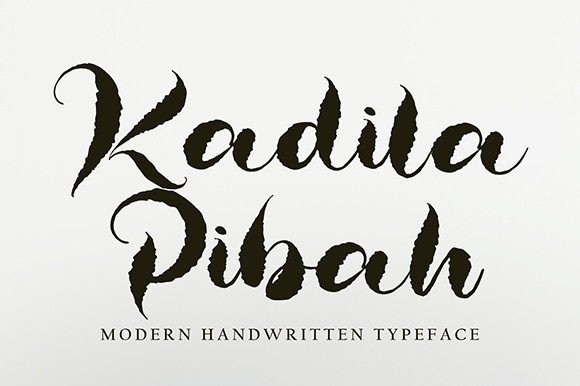
Kadila Pibah is a script font, but it’s not the overly formal or delicate handwriting you might expect. Its character is unique and quirky, with a friendly, approachable energy. The letters have a natural, flowing rhythm that feels genuine, not overly perfect. It carries a mood of relaxed creativity and warmth, perfect for when you want your brand to feel human and connected, not corporate and cold. For a small business, this visual character is gold. It’s the difference between a sterile instruction manual and a personal note from the maker.
Putting Kadila Pibah to Work on Real Business Materials
I started testing it immediately. First, on new candle jar labels. The brand name, rendered in Kadila Pibah, suddenly looked crafted. It gave the product a signature. I used it for the product title on the label, and the entire package gained a cohesive, premium feel. Then, I moved to my thank-you cards for online orders. The handwritten style of the font made each card feel less like a transaction and more like a genuine thank-you, boosting that customer-friendly touch that people remember.
Its application stretches far beyond that. For a café owner, Kadila Pibah could beautifully highlight specials or drink names on a menu. A boutique could use it for exclusive collection tags or window sale posters. For an online shop, it’s fantastic for banners announcing a new launch or for stylizing key headlines on your website. It works wonderfully in social media graphics to make quotes or promotional text stand out with personality. In every case, it acts as a consistent visual thread that makes your brand more recognizable.
Where It Shines and Readability Tips
Kadila Pibah excels as a display font. This means it’s best used for headlines, short phrases, logos, packaging titles, and decorative accents—the elements meant to capture attention and convey mood. I wouldn’t use it for long paragraphs of body text, as its detailed style can become hard to read at small sizes.
For practical readability, keep these in mind: on small physical labels, use it for the main product name, but pair it with a simpler font for details like ingredients or weight. On mobile screens and social media thumbnails, ensure the text is large enough so its unique quirks don’t blur into illegibility. In product mockups and shop visuals, it creates a fantastic focal point that draws the eye directly to your brand or product name.
Building a Cohesive Look with Font Pairings
A key to professional branding is consistency, and that often comes from using a primary font like Kadila Pibah alongside a supporting font. Its quirky handwritten style pairs beautifully with a clean, modern sans serif font for all your informational text. Think of using a sans serif for your website body text, product descriptions, and address details on your business card. This combination gives you personality where you need it and clarity everywhere else. Alternatively, for a more elegant vibe, a simple serif font can also complement it well, creating a balance between creative flair and classic reliability.
The Practical Checklist Before You Commit
As a business owner using a font commercially, it’s crucial to do a quick due diligence check. Before using Kadila Pibah on your products, packaging, or client work, verify its commercial licensing to ensure you’re using it correctly. Look at the included file formats to confirm they work with your design software. Explore if it has alternate characters or ligatures—these can add even more customization to your logos. Check for multilingual support if your brand reaches a global audience. Understanding these assets turns a creative choice into a solid, reliable design decision for your brand identity.
Why This Font Matters for Your Business Impression
Typography is often the silent ambassador of your brand. The first impression a customer gets from your label, your website banner, or your Instagram post is heavily influenced by the typeface you choose. A font like Kadila Pibah can shift that perception from impersonal to personal, from generic to unique. It fosters a sense of trust through its crafted appearance and boosts engagement by making your visual materials more enjoyable to look at. When you use it consistently across your packaging, your stationery, and your digital presence, you build a visual language that customers begin to associate solely with you. That recognition is a powerful step in making a small business not just look polished, but feel memorable.